Applications of Powder Coating - Industrial, Automotive, Architectural & Protective Finishing Solutions
Powder coating is a versatile dry-finishing technology used to improve the durability, corrosion resistance, appearance, and service life of a wide range…
Seller: Standard International Group (HK) Limited
Price: 2950.00 USD
China
Applications of Powder Coating - Industrial, Automotive, Architectural & Protective Finishing Solutions
$2,950.00
PER TON
Minimum order quantity: 500
Quantity
Secure packaging
§ BULK ORDER
Competitive pricing · Dedicated account manager · Flexible delivery
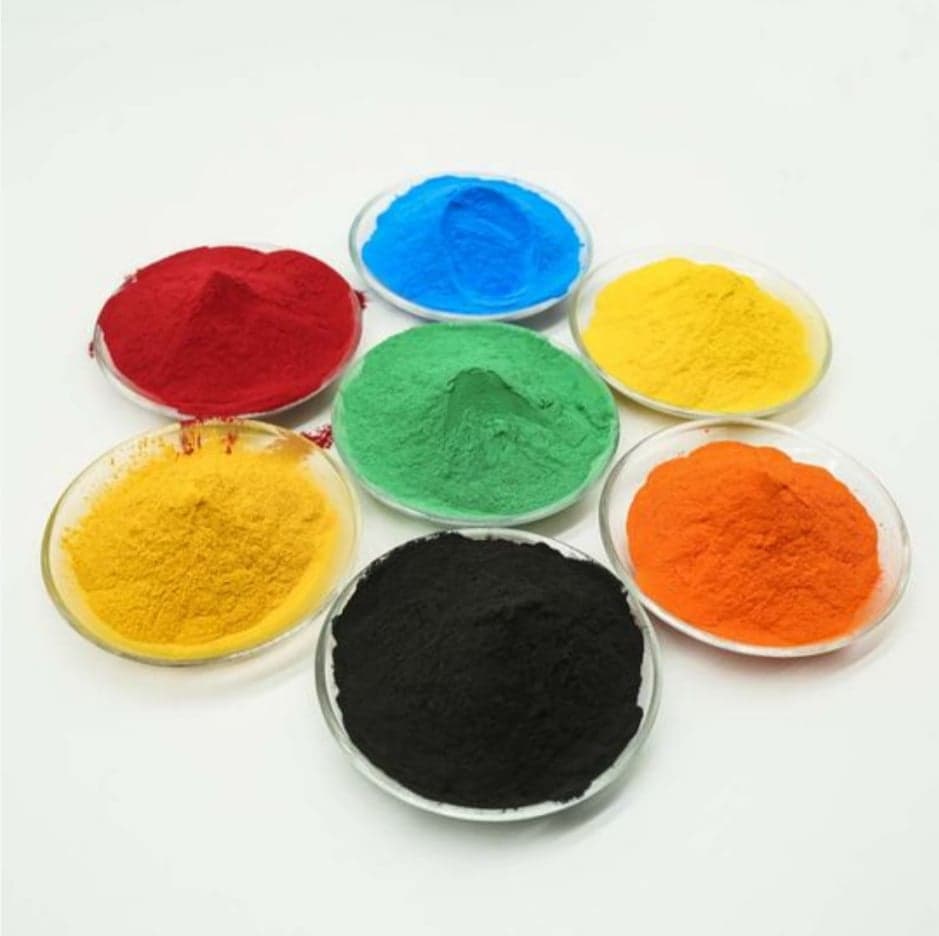
Powder coating is a versatile dry-finishing technology used to improve the durability, corrosion resistance, appearance, and service life of a wide range of products and components. Unlike many conventional liquid coating systems, powder coating is applied as a dry powder and typically cured under heat to form a continuous, durable surface. Its combination of mechanical resistance, chemical resistance, weatherability, colour flexibility, and efficient material utilization makes powder coating a popular finishing solution across automotive, construction, appliances, furniture, industrial machinery, agriculture, and many other sectors.
Powder Coating in the Automotive Industry
The automotive industry is one of the major application areas for powder coatings. Properly selected powder systems can provide excellent protection against corrosion, abrasion, road debris, chemicals, moisture, and general wear while delivering an attractive finish.
Wheels & Rims
Powder coating provides wheels and rims with a durable decorative finish designed to resist
- Chipping
- Scratching
- Road debris
- Moisture
- Corrosion
- General wear
A wide selection of colours, metallic finishes, and gloss levels allows manufacturers and automotive customization businesses to achieve different visual effects.
Chassis & Frames
Vehicle chassis and frames can benefit from powder coating systems designed for corrosion and mechanical protection. Proper substrate preparation and pretreatment are particularly important for long-term performance.
Bumpers & Trim Components
Selected exterior components such as brackets, trim parts, and other compatible metal components can be powder coated to improve surface durability and resistance to environmental exposure.
Engine & High-Temperature Components
Specialized high-temperature powder coatings can be used for compatible engine and exhaust-related components where resistance to elevated temperatures and chemicals is required. The coating formulation should always be selected according to the actual operating temperature and exposure conditions.
Architectural & Construction Applications
Powder coating is extensively used in architecture and construction to provide metal components with both decorative appeal and long-term environmental protection.
Window & Door Frames
Powder-coated aluminum and steel frames can provide
- Weather resistance
- Colour retention
- Corrosion protection
- Scratch resistance
- Decorative flexibility
Railings & Fencing
Powder coating helps protect railings and fencing from
- Moisture
- UV exposure
- Corrosion
- Scratching
- General outdoor weathering
Architectural Metalwork
Powder coating can be applied to various architectural components, including
- Façade Elements
- Aluminum Extrusions
- Curtain Wall Components
- Doors
- Windows
- Canopies
- Railings
- Decorative Metalwork
Specialized architectural powder systems can be selected where enhanced exterior weathering and colour retention are required.
Structural Components
Suitable powder coating systems can provide additional protection to compatible metal structures against environmental exposure while improving their appearance.
Outdoor Furniture
Tables, chairs, benches, garden furniture, and other outdoor metal products are frequently powder coated to improve resistance to moisture, UV exposure, scratches, and general weathering.
Household Appliances & Furniture
Powder coating is widely used for consumer products because it provides a durable, attractive, and relatively easy-to-maintain surface.
Refrigerators & Ovens
Powder-coated appliance surfaces can provide resistance to
- Heat
- Moisture
- Cleaning products
- Scratches
- General household wear
The coating formulation should be selected according to the appliance's operating temperature and exposure conditions. Washing Machines & Dryers Powder coatings can help protect appliance housings against moisture and corrosion, particularly in humid environments. Office & Home Furniture
Common applications include
- Desks
- Chairs
- Filing Cabinets
- Shelving
- Storage Cabinets
- Metal Frames
- Tables
- Furniture Accessories
Powder coating provides a durable finish that can be designed for good scratch resistance and easy maintenance. Lighting Fixtures Indoor and outdoor lighting components can be powder coated to provide corrosion protection, colour stability, and decorative appeal.
Industrial & Heavy Machinery
Industrial equipment often operates in environments where surfaces are exposed to mechanical impact, abrasion, moisture, chemicals, dust, and changing weather conditions. Powder coatings can provide a protective barrier designed for these demanding environments. Agricultural Equipment
Applications include
- Tractors
- Plows
- Agricultural Machinery
- Irrigation Equipment
- Farm Implements
- Trailers
- Metal Frames
Coating systems can be selected to withstand exposure to soil, moisture, fertilizers, chemicals, and outdoor conditions.
Construction Equipment
Powder coatings can be used on compatible components of
- Cranes
- Bulldozers
- Excavators
- Construction Machinery
- Heavy Equipment
- Equipment Frames
The coating system can be selected according to the required levels of abrasion, impact, corrosion, and weather resistance.
Pipes & Valves
Specialized powder coatings can provide corrosion protection for compatible
- Pipes
- Valves
- Fittings
- Industrial Components
- Water Treatment Equipment
The appropriate coating system should be selected according to the fluid, temperature, pressure, substrate, and environmental conditions.
Powder Coating Materials & Their Functions
Powder coating formulations contain several components, each serving a specific purpose. The exact formulation depends on the resin chemistry and the performance requirements of the finished coating. Resins
Resins are the primary film-forming components of powder coatings. Common resin technologies include
- Epoxy
- Polyester
- Epoxy-Polyester Hybrid
- Polyurethane
- Acrylic
- Fluoropolymer
The selected resin strongly influences properties such as durability, chemical resistance, UV stability, flexibility, adhesion, and weatherability. Curing Agents Curing agents react with the resin during the curing process and help form the final cross-linked coating film. The appropriate curing agent depends on the resin system and required performance characteristics. Accelerators Accelerators can be used to increase the rate of the curing reaction and optimize the curing behaviour of selected powder coating formulations. Pigments Pigments provide colour and opacity.
Common examples include
- Titanium Dioxide
- Carbon Black
- Organic Pigments
- Inorganic Pigments
- Metallic Pigments
Pigment selection influences colour, opacity, UV stability, and overall appearance. Fillers
Fillers can be used to modify formulation cost and improve specific properties such as
- Flow
- Texture
- Surface characteristics
- Lubricity
- Mechanical properties
Common filler materials include
- Barytes
- Calcite
- Mica
- Talc
- Whiting
- Wollastonite
Extenders Extenders such as aluminum silicate can contribute to opacity and formulation volume while also functioning as fillers. Degassing Agents
Degassing additives are particularly important in certain low-bake powder systems. They help reduce gas-related defects that can lead to
- Pinholes
- Film Porosity
- Surface Defects
- Poor Finish
- Embrittlement
Dry-Flow Agents
Dry-flow additives improve the free-flowing characteristics of powder particles during
- Storage
- Transportation
- Feeding
- Spraying
- Application
This can help maintain consistent powder delivery during production. Flow Agents Flow agents improve the ability of the molten coating to flow and form a smooth, consistent film during curing. They can help reduce surface defects and improve overall appearance.
Examples include
- Polyacrylates
- Silicones
- Surfactants
- Fluorinated Esters
Matting Agents Matting agents are used to reduce the gloss of the finished coating and create lower-gloss or matte appearances. Texturing Agents Texturing additives can be used to control the surface structure and appearance of the cured coating, helping manufacturers achieve finishes such as textured or fine-textured surfaces. Rheological Additives
Rheological additives influence the viscosity and flow characteristics of the molten coating. They can help improve
- Edge Coverage
- Surface Uniformity
- Film Formation
- Textured Effects
Waxes
Waxes may be incorporated to improve
- Slip
- Hardness
- Scratch Resistance
- Mar Resistance
- Powder Flow
- Anti-Bridging Properties
Tribo-Charging Additives Special additives can be used to optimize the electrostatic charging behaviour of powder during tribostatic application systems. Selected stabilizers and additives can also contribute to improved chargeability and overall formulation stability. Heat Stabilizers Heat stabilizers need to withstand the elevated temperatures associated with powder extrusion and curing without unwanted volatility or discoloration. They help maintain coating stability during high-temperature processing. UV Absorbers UV absorbers help protect the coating from harmful ultraviolet radiation by absorbing UV energy and dissipating it in a less damaging form. They are particularly important in powder coating systems designed for exterior applications. HALS – Hindered Amine Light Stabilizers HALS help protect polymer systems from degradation caused by UV-induced free radicals. They are commonly used together with UV absorbers to improve the long-term weatherability of exterior powder coatings.
The combination of appropriate UV absorbers and HALS can help improve
- Colour Retention
- Gloss Retention
- UV Stability
- Exterior Durability
- Long-Term Appearance
Key Benefits of Powder Coating
Durability
Powder-coated surfaces can provide excellent resistance to
- Scratching
- Chipping
- Abrasion
- Impact
- General Wear
Corrosion Protection Properly formulated and applied powder coatings can provide an effective protective barrier against moisture and environmental exposure. Colour & Finish Flexibility
Manufacturers can select from a broad range of
- RAL Colours
- Custom Colours
- Matte
- Satin
- Gloss
- Metallic
- Textured
- Specialty Effects
Efficient Material Utilization
Powder coating can provide high transfer efficiency, and suitable recovery systems can collect overspray powder for reuse, reducing material waste. Environmental Advantages Powder coatings generally do not require the conventional solvent carrier found in many liquid coating systems and can offer very low VOC emissions during application.
Choosing the Right Powder Coating
The correct coating depends on the substrate, operating environment, desired appearance, temperature, chemical exposure, UV exposure, corrosion requirements, and expected service life.
For example
- Epoxy is often selected for strong chemical and corrosion resistance in indoor environments.
- Polyester is widely used for general industrial and outdoor applications.
- Super Durable Polyester is suitable for demanding exterior environments.
- Epoxy-Polyester Hybrid provides balanced general-purpose performance.
- Polyurethane/Urethane can provide a combination of appearance, durability, and weather resistance.
- Fluoropolymer is suitable for premium architectural applications requiring exceptional long-term weatherability.
Ideal Industries
Powder coating solutions are suitable for
- Automotive
- Electric Vehicles
- Construction
- Architecture
- Agriculture
- Heavy Equipment
- Appliances
- Furniture
- HVAC
- Electronics
- Medical Equipment
- Energy
- Oil & Gas
- Water Treatment
- Industrial Machinery
- Metal Fabrication
- Consumer Products
Why Choose Powder Coating?
Powder coating provides manufacturers with a versatile finishing technology that combines durability, corrosion protection, aesthetic flexibility, efficient material usage, and long-term surface performance. From automotive wheels and agricultural equipment to architectural façades, appliances, furniture, machinery, pipes, and industrial components, the correct powder coating system can be engineered around the specific requirements of the product and its operating environment. Contact the supplier for available powder chemistries, RAL and custom colours, gloss and texture options, technical data sheets, SDS/MSDS, application recommendations, pretreatment requirements, curing schedules, coating thickness specifications, MOQ, samples, pricing, packaging, and international shipping options.